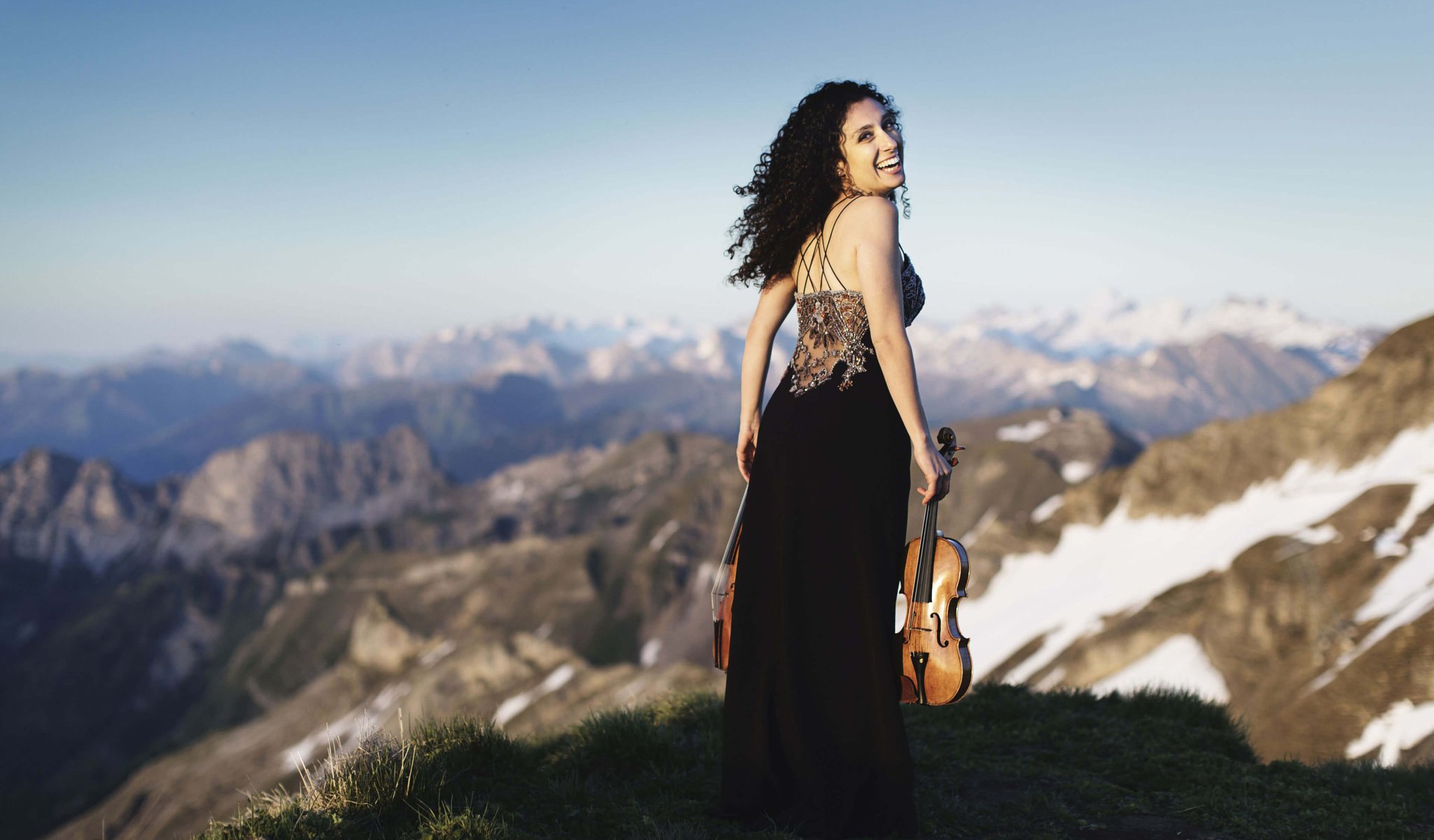
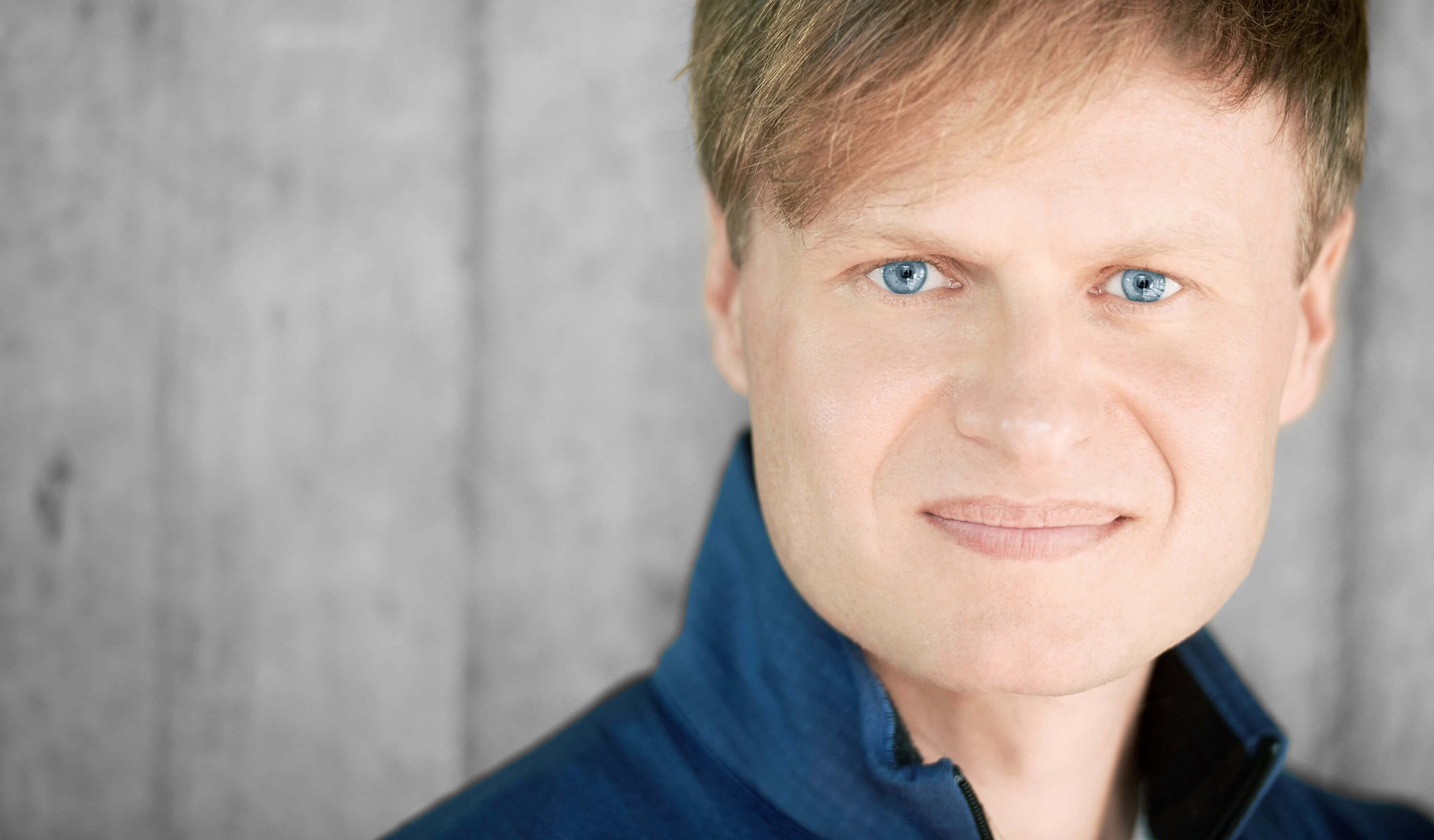
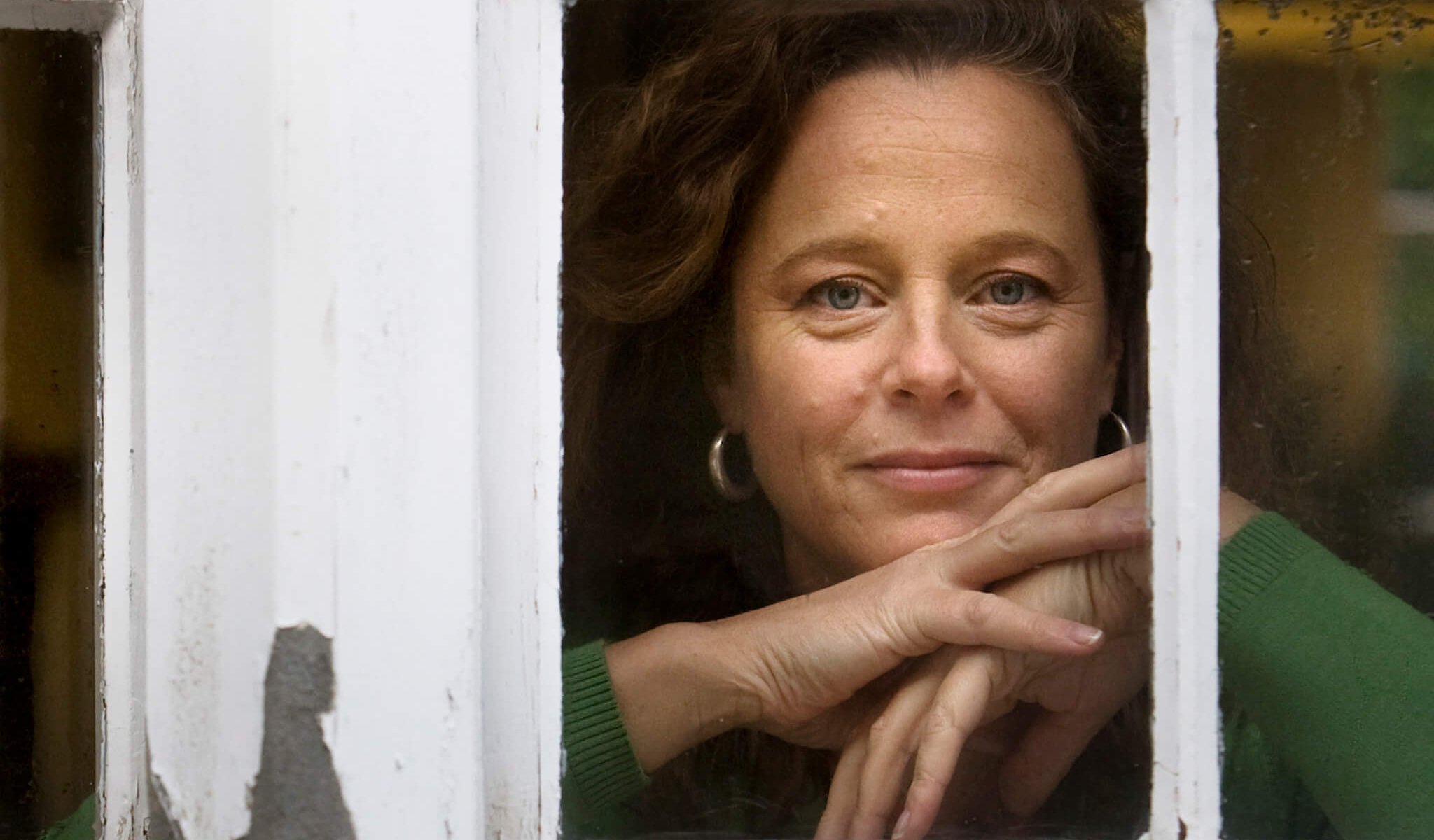
Chouchane Siranossian and the BFO’s Baroque Ensemble
Wolf, Siranossian, T’Hooft
Program
Georg Philipp Telemann (→ bio)
Don Quixote Suite, TWV 55:G10
Johann Sebastian Bach (→ bio)
Sinfonia in D major, BWV 1045
George Frideric Handel (→ bio)
Concerto Grosso in B-flat major, Op. 3, No. 2, HWV 313
Cuopre tal volta il cielo (An Unforeseen Dark Cloud May Cover the Sky) – Cantata, HWV 98
Interval
Francesco Maria Veracini
Orchestral Suite No. 6 in G minor
George Frideric Handel (→ bio)
Spande ancor a mio dispetto (Fate still weighs on me unwelcome) – Cantata, HWV 165
Francesco Maria Veracini
Concerto in D major for Eight Instruments
Featuring
Soloist
- Andreas Wolf (basso)
- Chouchane Siranossian (baroque violin)
Artistic director
Baroque gestures
Other information
The event is about 2.0 hours long.
About the event
Tilting at windmills; a tempestuous love story; a tasteful collage; virtuosic minimalism; an eccentric job search; emotional turmoil and a Venetian musketeer – all wrapped in Baroque music. The BFO’s concert, performed using period instruments, will feature seven pieces by four composers. Armenian-French violinist Chouchane Siranossian will lead the orchestra’s performance of seldom played works by Telemann, Handel, Bach, and Veracini. Siranossian’s violin performances, which combine talent and research, have been described as “unique and angelic” (Gramophone), “tremendously dynamic” (The Strad), and “worthy of the spotlight” (Diapason). The cantatas will come alive through Baroque specialist Andreas Wolf’s “powerful, resonant voice with a beautiful bronze tone” (Bachtrack). And, once again, the audience will have the opportunity to enjoy the authentic period choreography of Sigrid T’Hooft, one of the most renowned experts of Baroque gestures, who has been supporting the work of the orchestra for more than fifteen years.
Telemann, who was widely read, often referenced Cervantes’s legendary novel. His suite, based on Don Quixote, begins with a parodistic French overture. In subsequent movements, the protagonist awakens, goes to battle against the windmills, and sighs over his feelings of love. His encounters are set to galloping passages and minuets, and finally, we see him in an intense dream.
Handel’s cantata, composed in 1708, begins with wild winds, tempestuous waves, thunder, and lightning: a man lost on a stormy sea as he encounters frosty glances from his love. The voice part requires broad range and considerable skill. By the end of the piece, it quiets into a moving plea.
The six Concerti Grossi of Handel’s Op. 3 consist in part of movements transposed from the composer’s vocal works and arranged by Handel’s publisher. The set, which is in B major and is unusual because it has five movements (instead of the usual three or four), includes not only movements of the Brockes Passion, but also, surprisingly, two dance movements (a minuet and a gavotte), as well as a stunningly beautiful oboe solo in the largo.
“Intrada oder Concerto.” So reads the notation at the top of Bach’s symphony. Reminiscent of a violin concerto, the piece was likely the opening movement of a lost church cantata, one in which the virtuosic solo violin motif, performed over a rich arrangement of trumpets and timpani and through a kind of repetition that foreshadows minimalism, all but hypnotizes the audience.
In the middle of an argument, Veracini chose to jump out of the window. This story is indicative of the composer’s eccentric personality and unusual approaches, something which is reflected in his music. In his Overture in G minor, two traditional movements are followed by two surprising ones: some unexpected musical stabs and a minuet which is completely unison.
More pangs of love, and another bass cantata. In his work composed around 1708, Handel this time likens the pains caused by attraction to a river with rapids, and this flow of water was perfectly suited to musical portrayal. In the voice part, unusually rich chromatic passages contribute to the expression of heartache.
“Four Venetian musketeers.” So Chouchane Siranossian dubbed, in one of her recordings, Vivaldi, Tartini, Locatelli, and Veracini, four Italian violin music composers who seem to have been in fierce competition with one another. Next to them, she may perhaps be the fifth, as she used motifs from various works by Veracini to compile the open segments of the virtuosic violin section with which the concert comes to a close.
