Program
Featuring
Other information
The event is about 2.0 hours long.
About the event
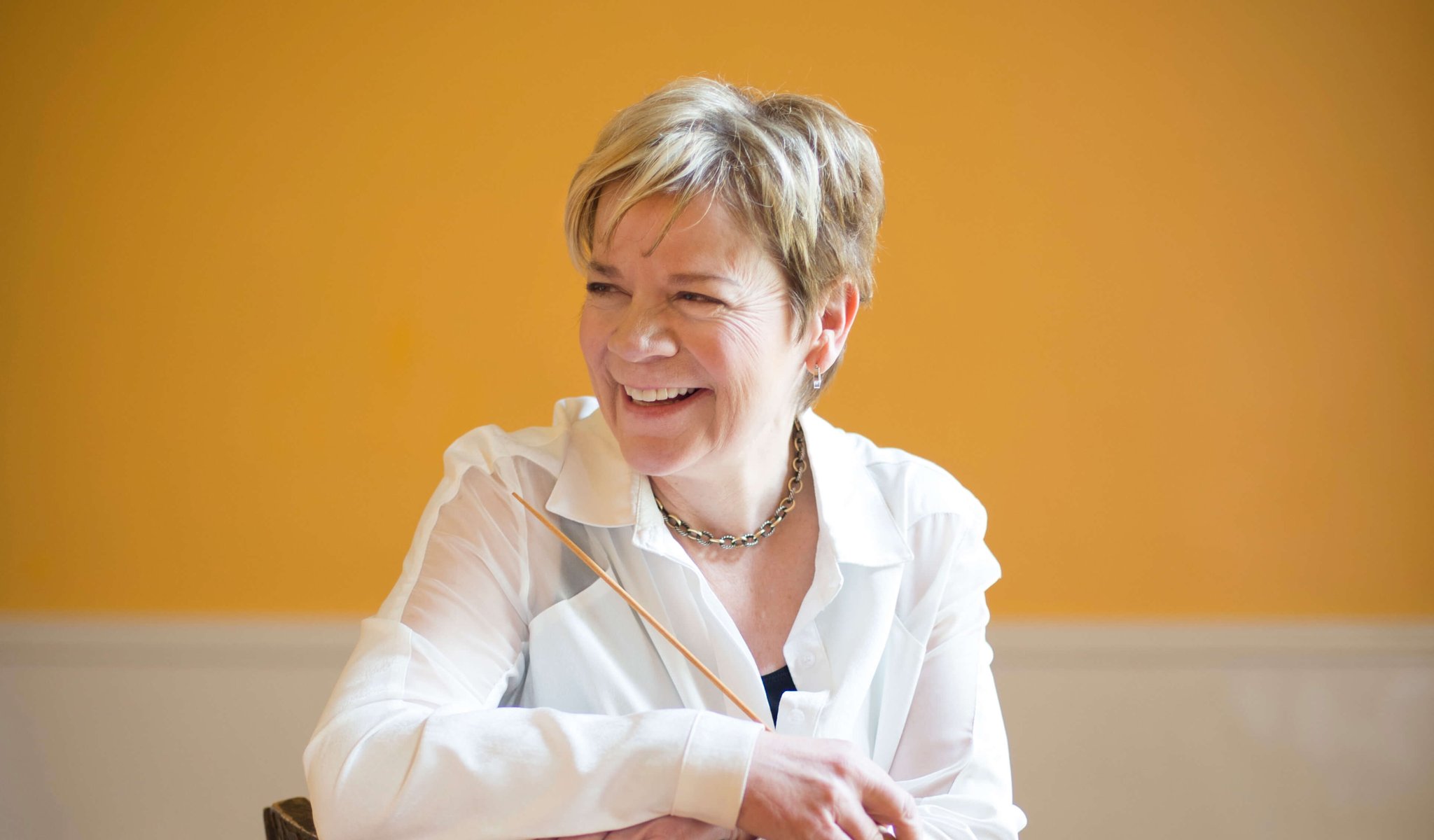
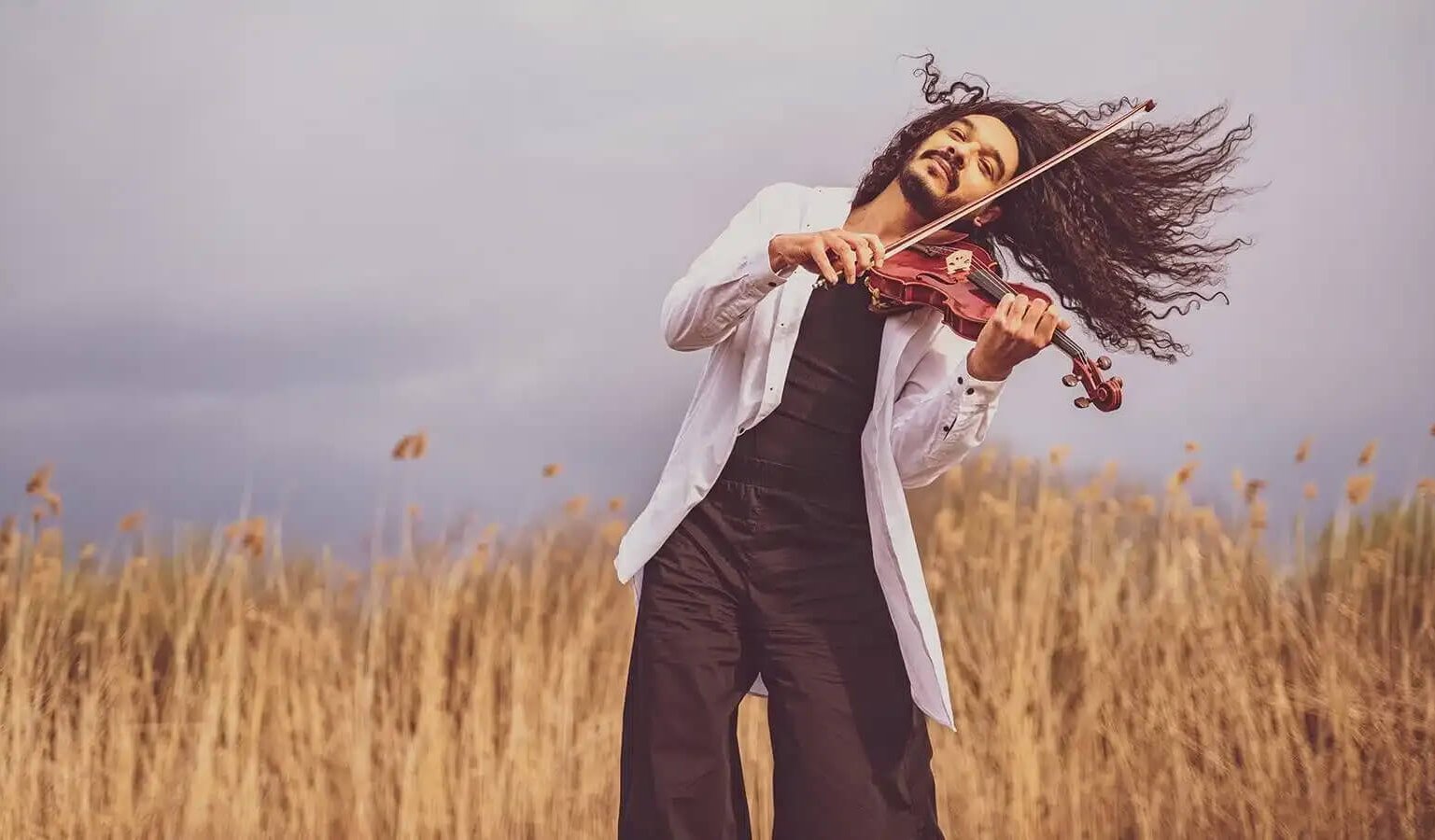
Marin Alsop returns to Budapest and the BFO after almost ten years! The American artist, who has been hailed as a pioneer for female conductors, will again treat audiences to a grandiose violin concerto and a Shostakovich symphony, this time complemented by a symphonic poem. The principal guest conductor of both the Philadelphia and Philharmonia Orchestras is a superb violinist herself, so audiences can expect a sensitive rapport between Alsop and the soloist of the evening, Serbian-French violinist Nemanja Radulović. Radulović, who has been praised for his “lyric delicacy and super-virtuosity” (The Times) and who offers a compelling blend of tradition and bold experimentation, will perform Samuel Barber’s only violin concerto, preceded by Richard Strauss’s passionate music and followed by Shostakovich’s grotesque apology, composed in 1937 against the backdrop of Stalin’s purges.
A teasing, increasingly insistent musical theme for four French horns with lyrical melodies between the returns of the theme – anyone can guess the story without knowing the title: This composition must be about the conquests of Don Juan. Strauss did not permit the printing of a text next to his 1888 composition, since the story could be clearly followed in his music. The music, which is rich in melodies and impressive twists and turns, reinvents the womanizer’s dynamic character a hundred years after Mozart’s opera. “I am really sorry for the poor horn players and trumpeters. They puffed with such effort that they were completely blue in the face, their parts are so strenuous,” Strauss wrote, for in the score, he intensifies the horn theme with each return to convey the mounting passion. The lyrical episodes depict the women, while the stormy climax portrays the Commander. This time, Don Juan rises again, even after his defeat.
Samuel Barber is one of the few composers who were able to make a living exclusively from writing music. One of the reasons for this may lie in his tendency to resist the tonal innovations of the era and compose more traditional, audience-friendly music. His 1940 Violin Concerto is his most popular work after the famous Adagio for Strings. The basic characteristics of his musical voice (seriousness, melancholy, gravity, and elegy) are present throughout the first two movements of this work, which was composed in 1940, i.e. in the shadow of the war. After the almost conflict-free lyrical opening movement, the introspective slow movement begins with an oboe solo and later deepens into passages of palpable tension. This is followed by an unexpectedly energetic and virtuoso finale, which conjures the grotesquerie of Shostakovich. Resembling something of an extended cadence, the movement keeps the spotlight firmly on the soloist.
“A Soviet artist’s response to justified criticism.” This is how Shostakovich was reported to comment on his Symphony No. 5. In 1936, his music came under serious political attack, and at the time of the Great Terror, only works that pleased the Soviet leadership could ensure his professional and personal survival. Yet the fifth symphony turned out to be something of an ambivalent composition, and its message has been debated to this day. The first part of the opening movement is slow and pensive. Later, the second theme of the fast section is both lyrical and eerie. A short scherzo brings some relief after the drama, but the slow movement, which is the emotional climax of the piece, pulls us back into the depths once again. Scored without the brass section, this movement features mournful woodwind passages that allegedly moved the audience of the premiere to tears. “The symphony’s finale resolves the tense and tragic moments of the preceding movements in a joyous, optimistic fashion,” Shostakovich wrote in his official explanation. What we hear, however, is obviously an ironic caricature of the hypocrisy of power.
