Program
Featuring
Other information
The event is about 1.7 hours long.
About the event
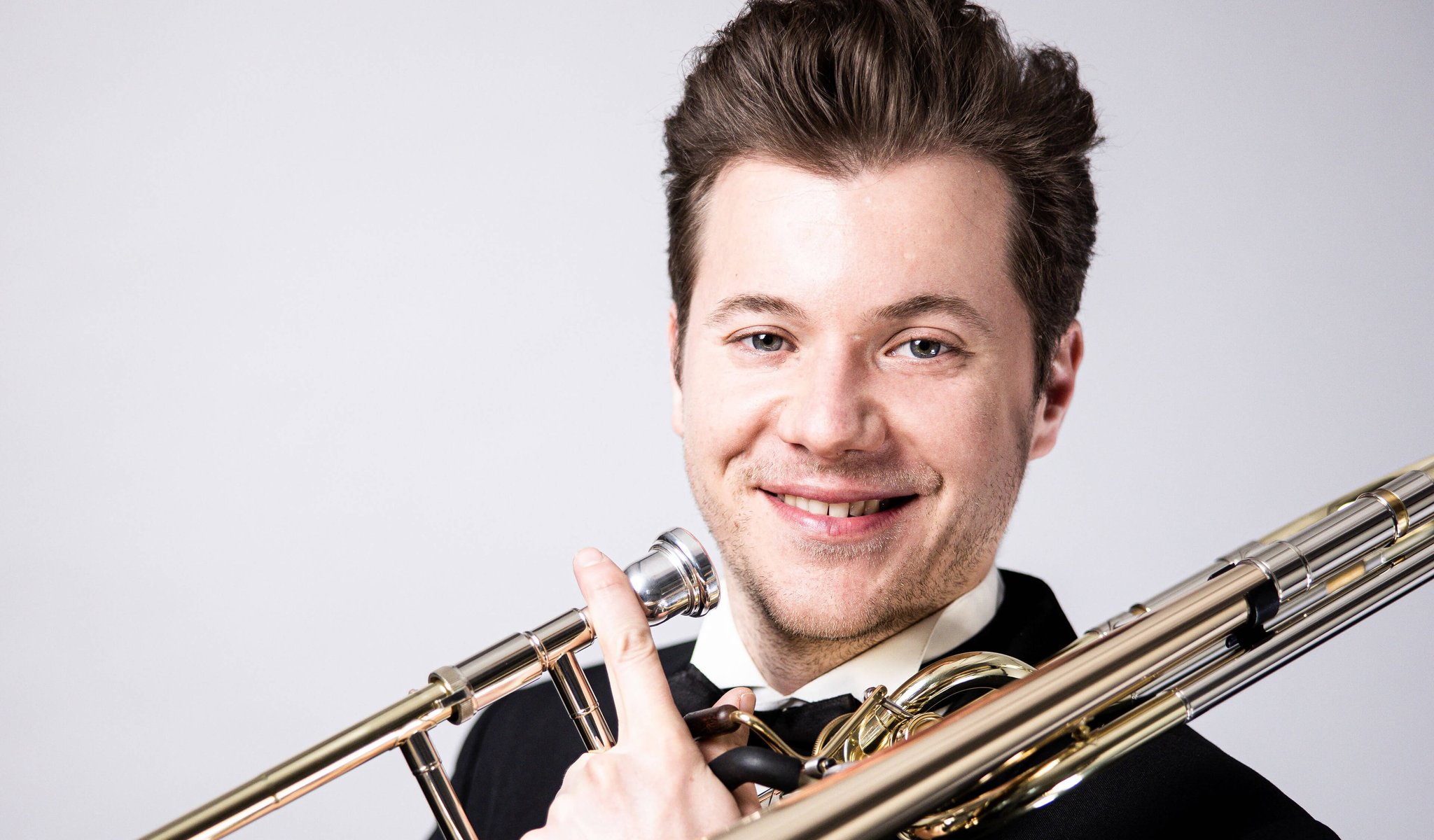
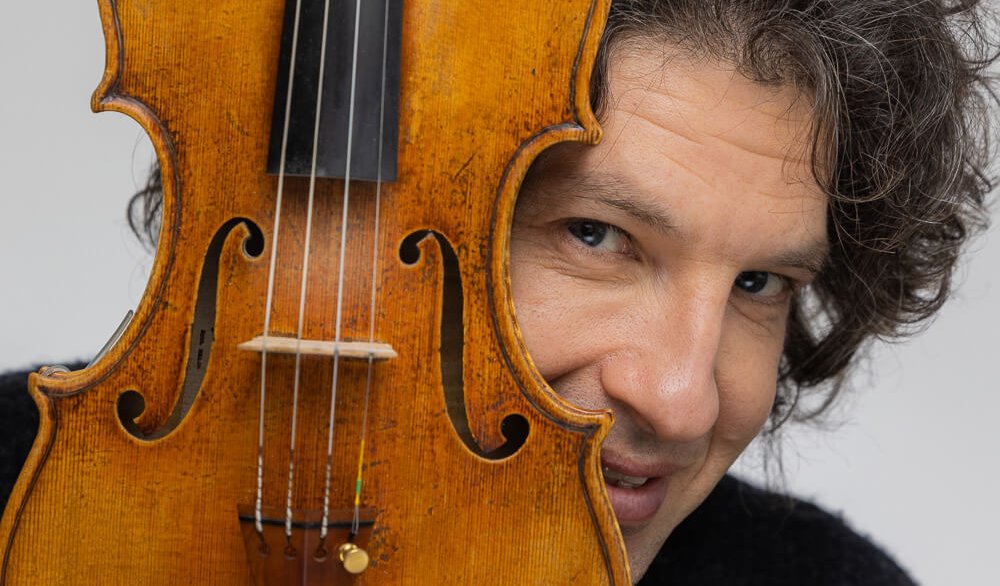
In the 2026–27 season, the Concertino series will return, with the BFO’s chamber orchestra offering both well-known masterpieces and unfairly overlooked works from the Baroque to the twentieth century. The ensemble, which will perform without a conductor, will be led by Daniel Bard, one of the orchestra’s concertmasters. The energetic works by Austro-Czech composer Erwin Schulhoff blend modern sounds and neoclassical elements with jazz and the dance rhythms of various national traditions. Schulhoff’s composition will be followed by one of the earliest trombone concertos in music literature, featuring Attila Sztán, the BFO’s Junior Prima Award winning musician, as soloist. After the concerto, which blends graceful elegance with structural rigidity, the ensemble will perform Handel’s ever-faster concerto grosso, composed for full string ensemble without soloists. The program will conclude with Tchaikovsky’s popular chamber piece invoking Mozart and Haydn.
Encouraged by Dvořák and instructed by Debussy (one could hardly ask for more distinguished inspiration!), Erwin Schulhoff forged a strikingly diverse musical career, spanning the path from child prodigy to Dadaist innovator and composer who drew on influences from jazz. “Music should first and foremost produce physical pleasures, yes, even ecstasies,” he claimed, declaring himself the first artist to blend jazz and classical music successfully. His dance suite composed in 1923 and dedicated to Darius Milhaud reaches back to Baroque music while relying on bold dissonances, pronounced rhythms, and plenty of irony. In its five movements, he parodies the Viennese waltz and the genre of the serenade, conjures Czech folk music, and invokes the world of the tango before concluding the suite with a sweeping tarantella.
Although he became known as Beethoven’s teacher, Johann Georg Albrechtsberger also produced a significant oeuvre as a musicologist and composer. His nearly five hundred instrumental compositions include such rarities as a concerto for harp and a concerto for trombone. In contrast with early trumpets and horns, by the middle of the eighteenth century, the trombones that were in use could easily produce every note. The instrument blends with the orchestra particularly well in this work, which balances on the borders between the Baroque and Classical periods and between counterpoint and the gallant style. The music of the composition, which follows the traditional format of three movements, is clear cut but also pleasant, cheerful but also serious – probably characteristics of the composer himself.
The music of an entire set of three publications composed within a single month. This is the story of Handel’s Concerti Grossi, Op. 6. The pieces, written in 1739, pay tribute to Corelli, but they are much more free-flowing than their models. Their huge success is proven by the fact that even members of the royal family bought the sheet music when it was published. The Concerto in B-flat major is the only work in the series in which the composer dispenses with the customary group of soloists (the so-called concertino). The slow opening, which consists of only ten bars, is followed by a fast movement with a cheeky fugue theme that starts with fourteen identical notes and becomes ever faster. Similarly, the final three movements move from the slow and hushed via a lyrical andante to an energetic hornpipe.
The Serenade for Strings, written in 1880, is one of Tchaikovsky’s most popular compositions. Initially, Tchaikovsky was planning either a symphony or, more precisely, a suite for string orchestra or a string quartet, but in the end, he chose the middle path. As he wrote to his publisher, “I am violently in love with this serenade.” The work, intended as a tribute to Mozart’s style, has four subtitled movements. The slow introduction of the “Piece in Sonatina Form,” which recurs also in the Finale, sets the scene. The “Waltz,” which plays the role of a scherzo, and the “Elegy,” which is based on a single, soaring romantic theme, are also popular and are often played as individual concert pieces. An exciting transition from the latter leads to the finale, which is built on a “Tema russo” (Russian Theme).
